Nobel Prize: Groundbreaking immunology research celebrated in Stockholm
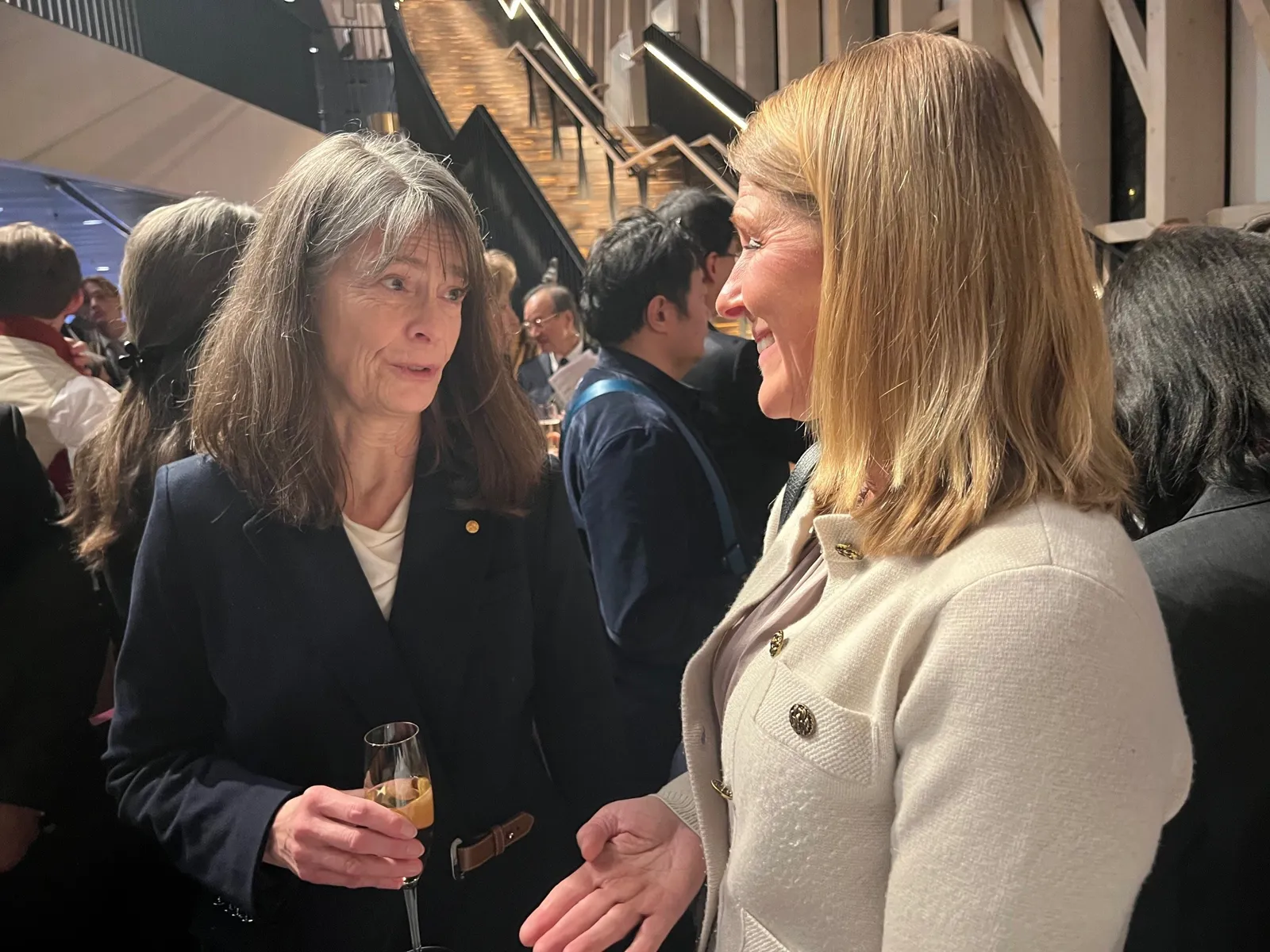
Professor Kristina Haugaa met Nobel laureate Mary E. Brunkow during the award ceremony in Stockholm this weekend. Brunkow and her colleagues were honored for their discovery of how regulatory T cells and the FOXP3 gene keep the immune system in balance—a breakthrough that has revolutionized our understanding of immunity and opened new doors for disease treatment.
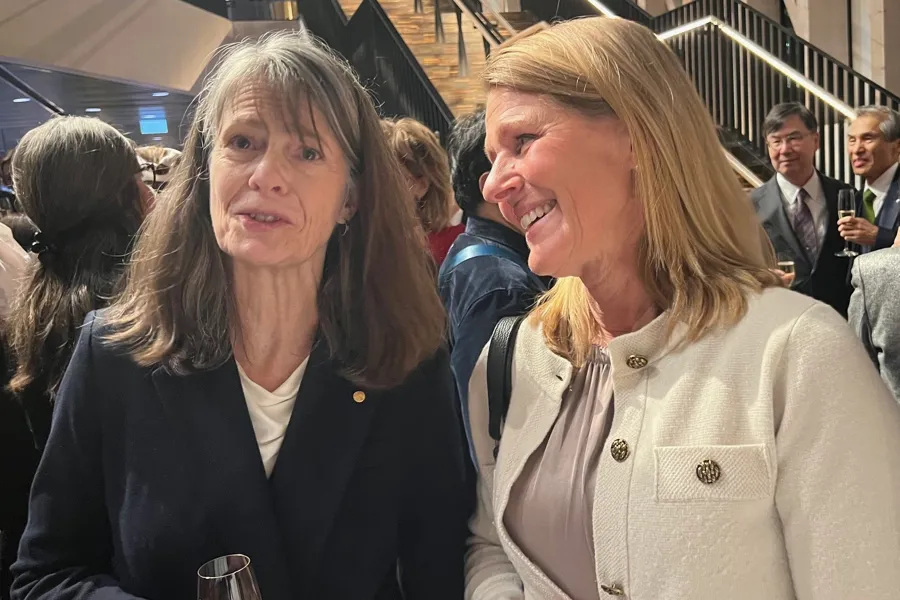
Photo: Kristina Haugaa
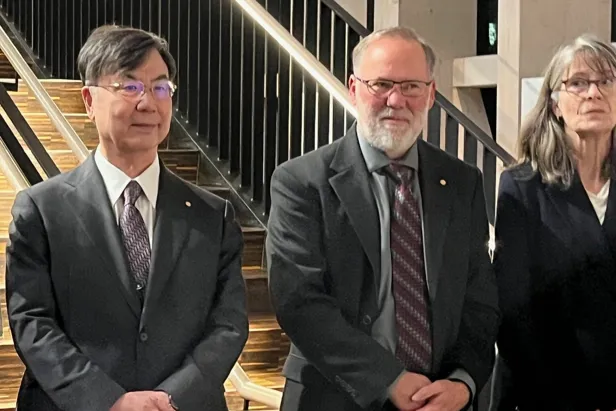

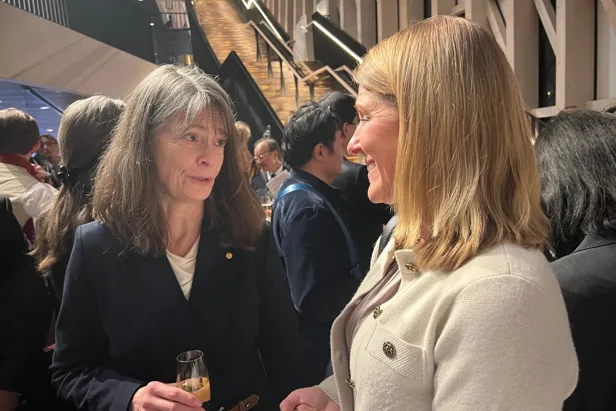
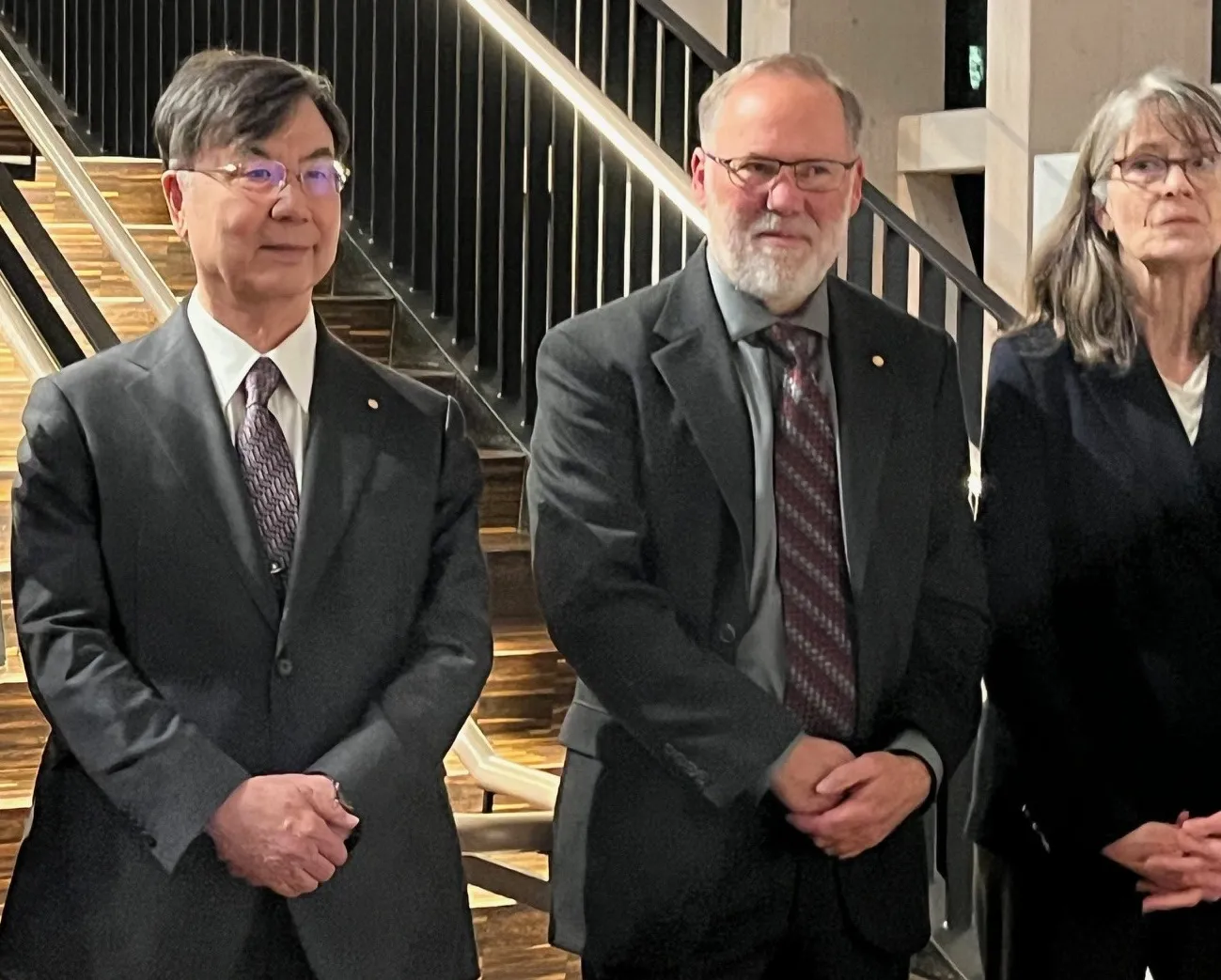

What did they discover?
- Regulatory T cells (Tregs): In 1995, Sakaguchi identified an entirely new class of immune cells that act as “brakes” on the immune system. These cells prevent immune reactions from attacking the body’s own tissues.
- The FOXP3 gene: In 2001, Brunkow and Ramsdell discovered that mutations in the FOXP3 gene cause severe autoimmune diseases. They demonstrated that FOXP3 is a key regulator for the development of Tregs.
- The link between gene and cell: Two years later, Sakaguchi confirmed that FOXP3 controls the formation of regulatory T cells and is therefore essential for maintaining immune balance.
Why is this important?
These discoveries provided a molecular explanation of how the body avoids attacking itself and laid the foundation for:
- New treatments for autoimmune diseases such as type 1 diabetes, rheumatoid arthritis, and multiple sclerosis.
- Improved methods to prevent organ transplant rejection.
- New strategies in cancer immunotherapy.
As the Nobel Committee stated: “Their discoveries have been crucial for our understanding of how the immune system works—and why we do not all develop severe autoimmune diseases.”
Text prepared with assistance from Microsoft Copilot (AI assistant).