Dissertation Tove Elizabeth Hunt
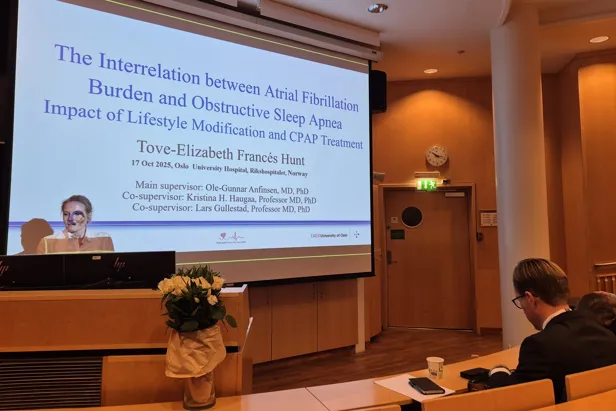
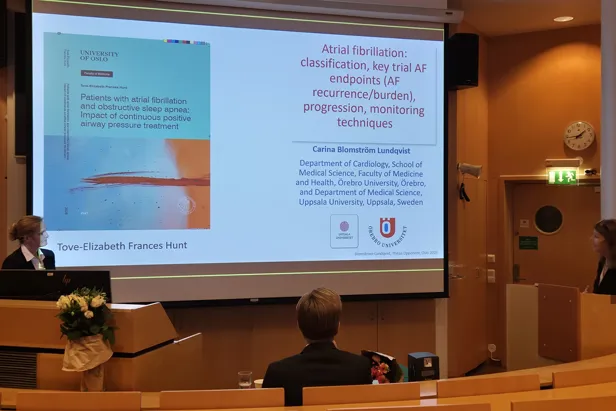
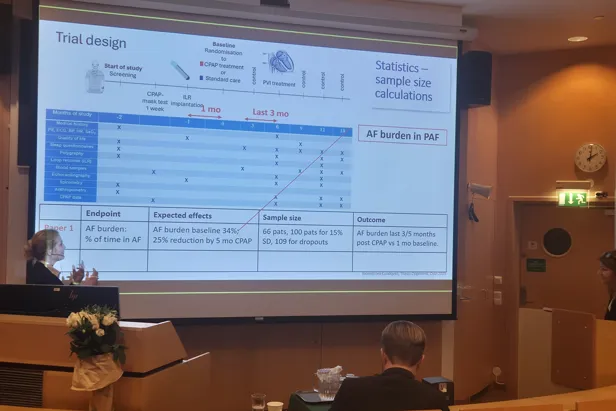
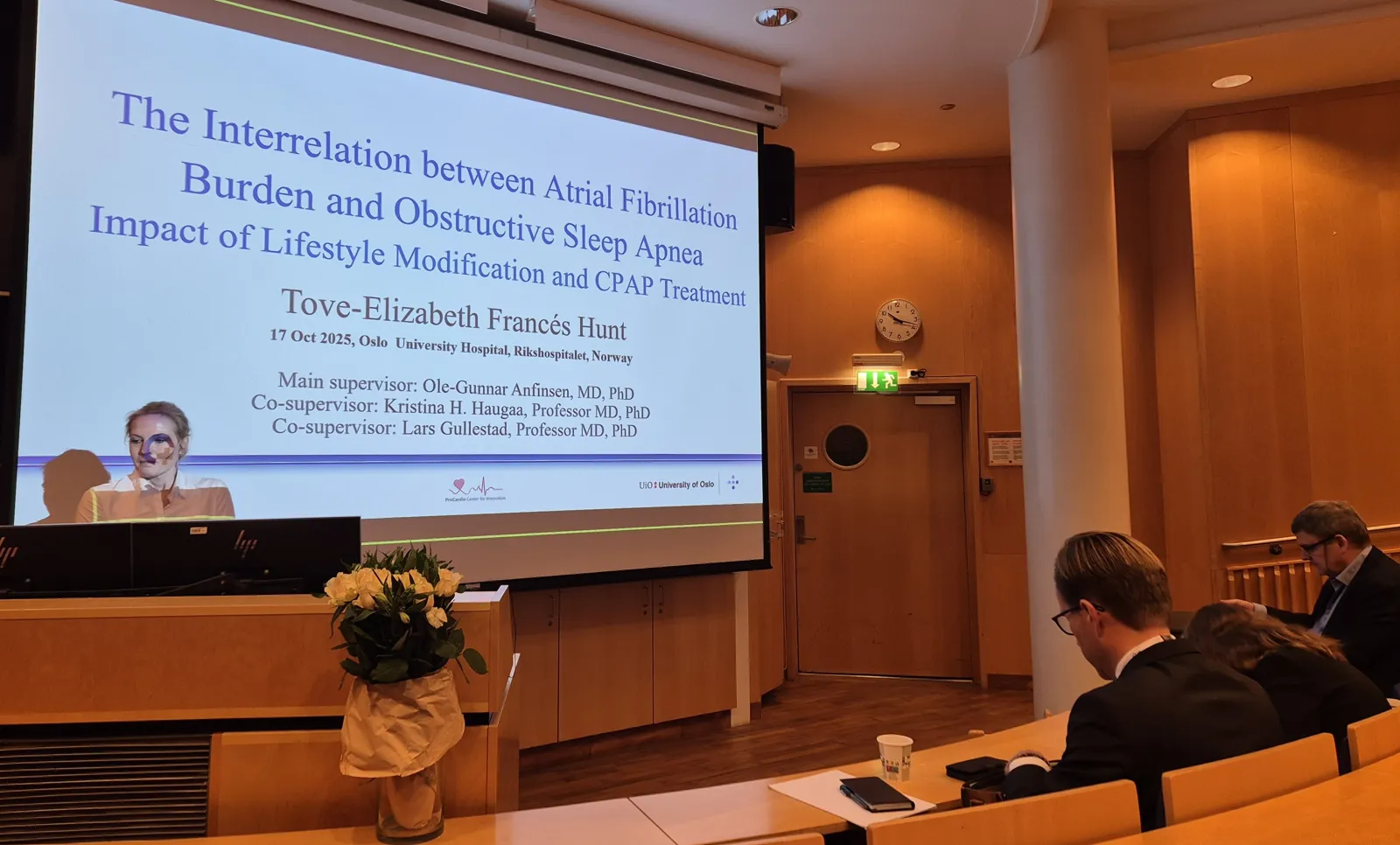
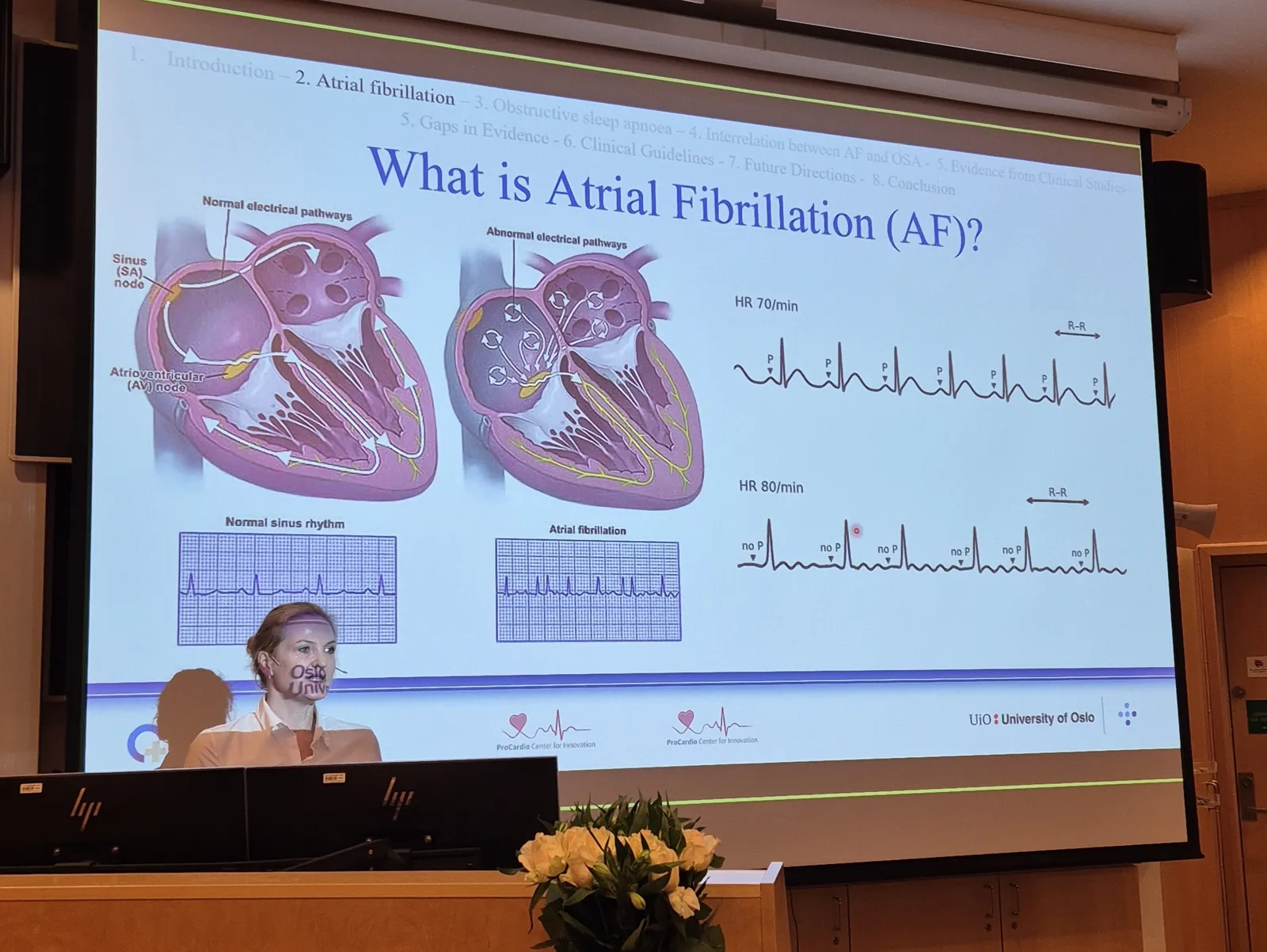
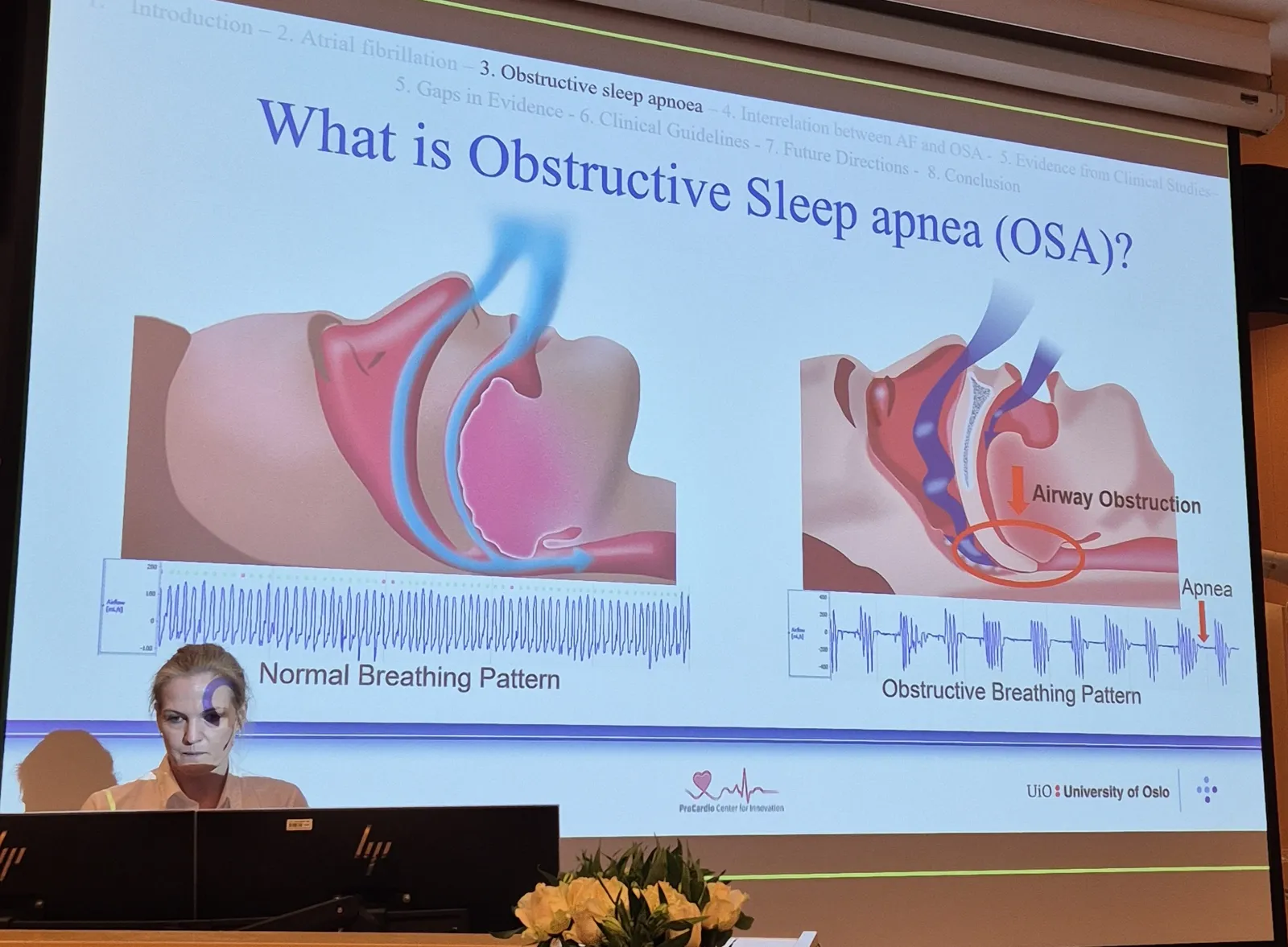
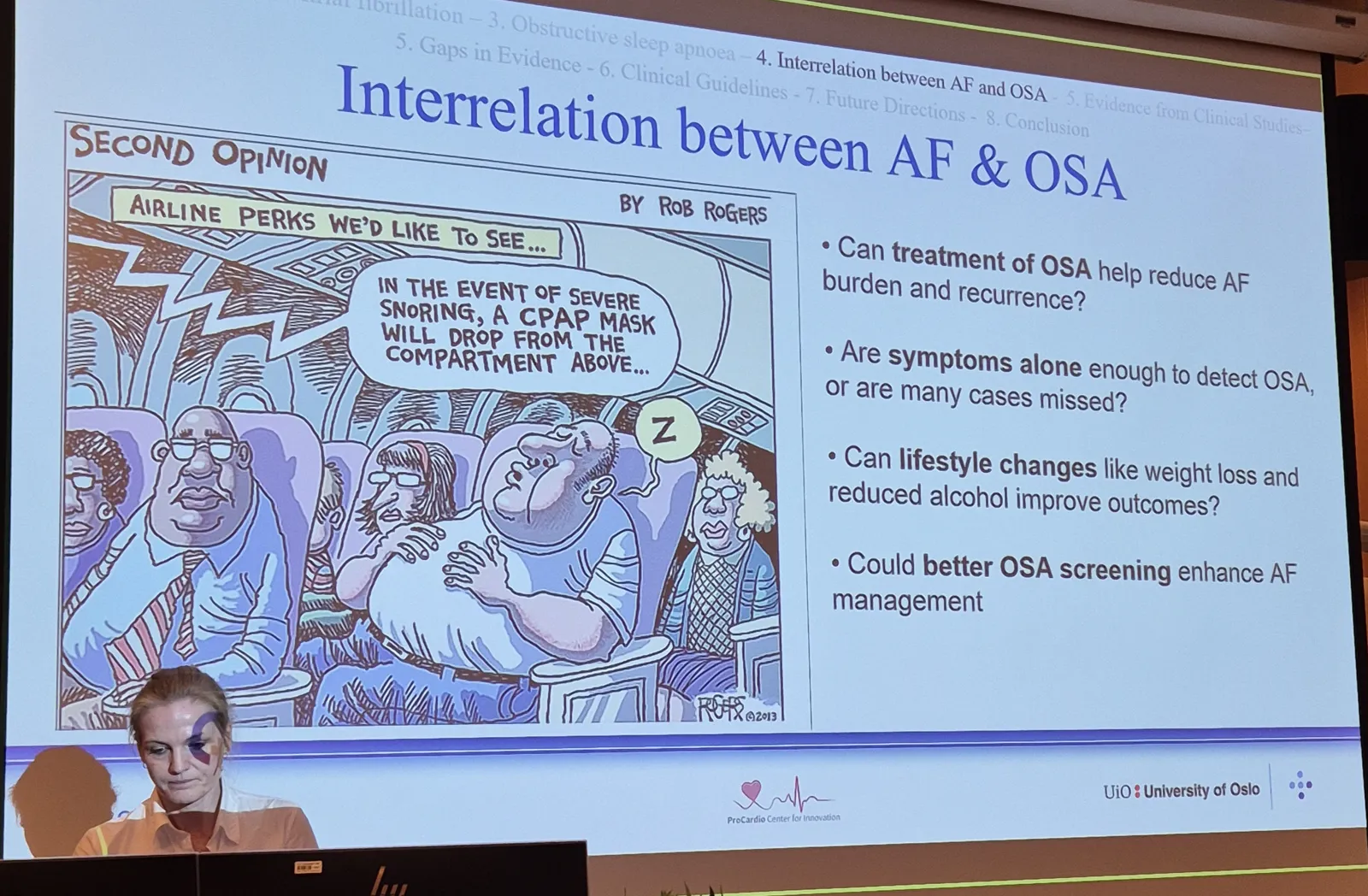
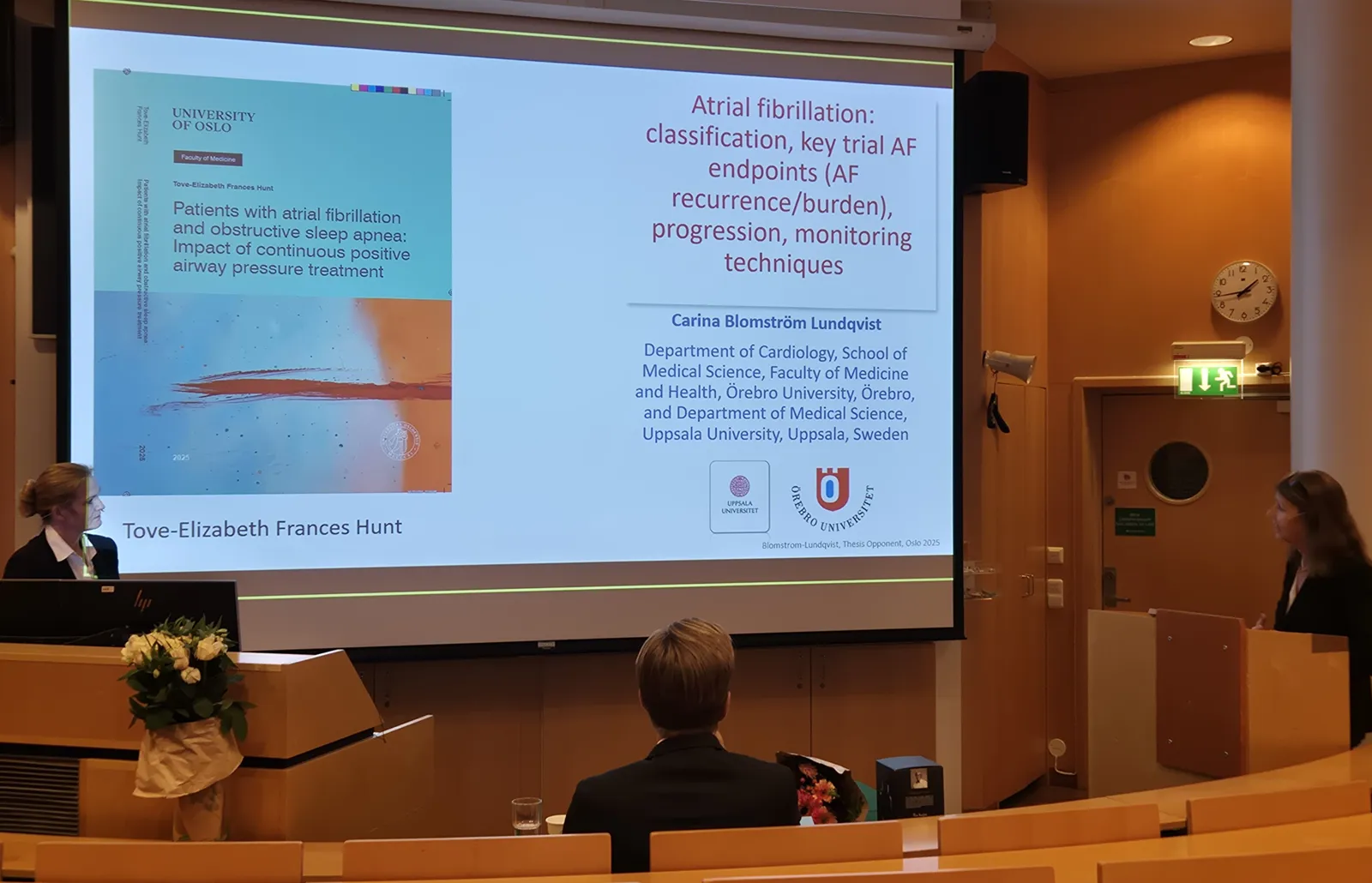
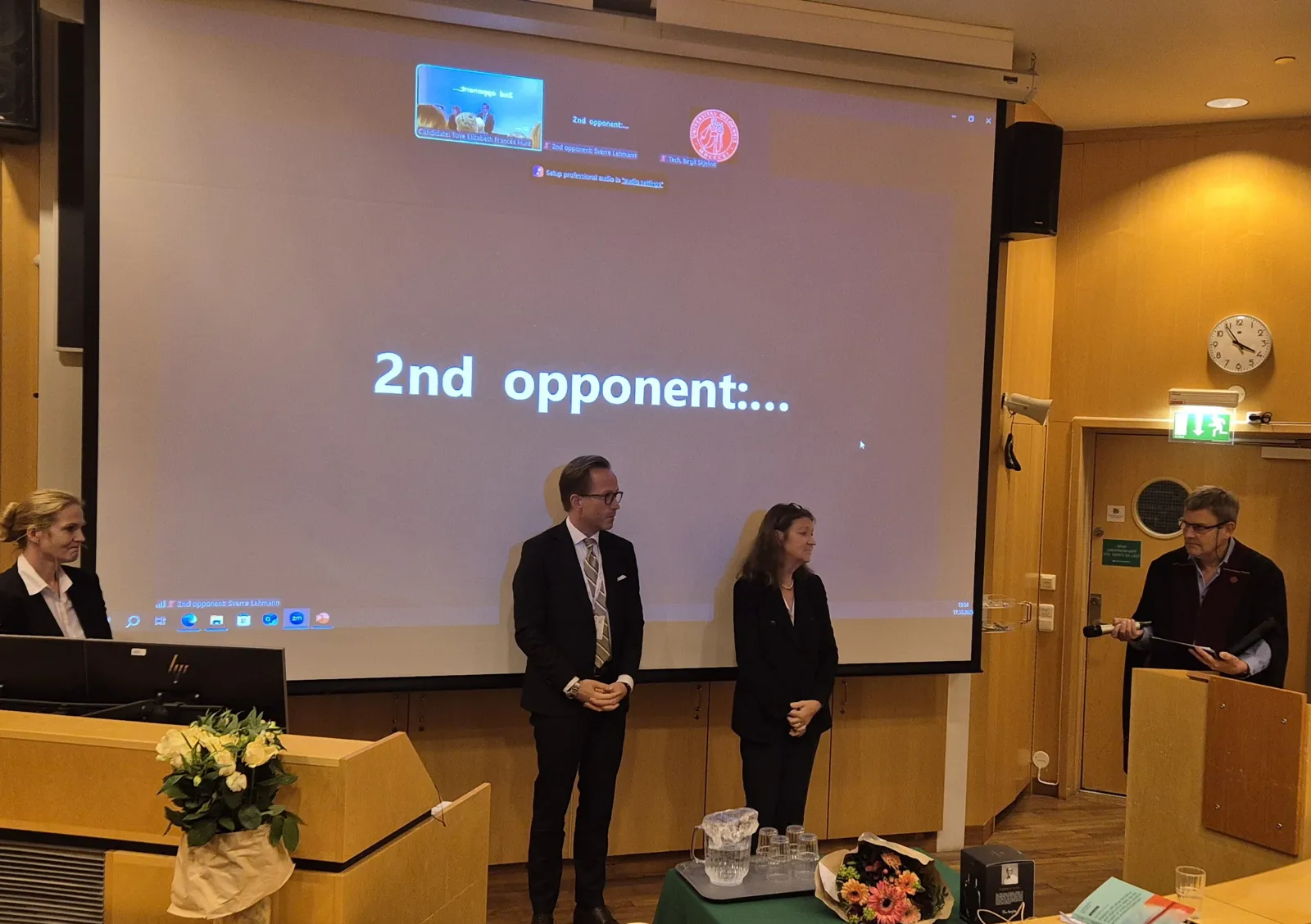
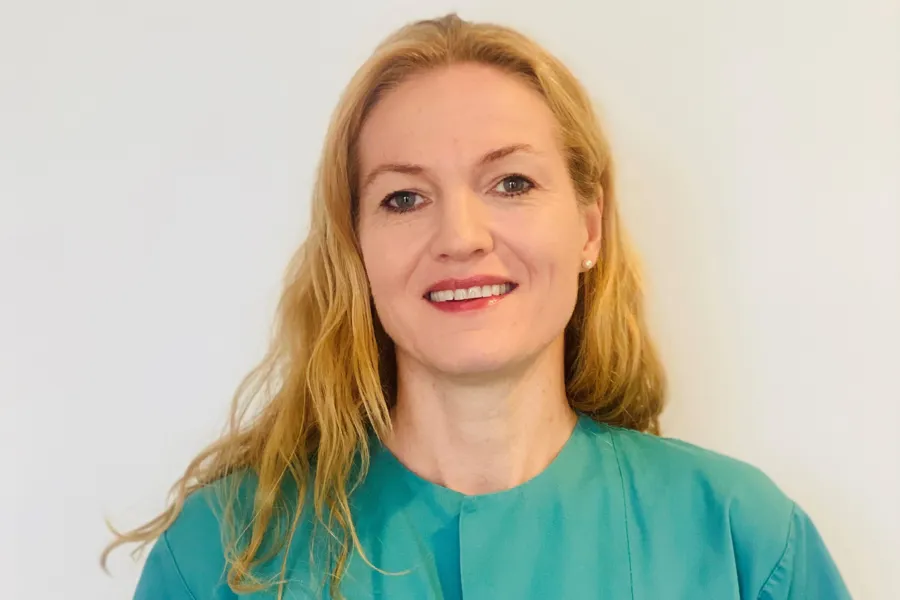
On October 17, MD and ProCardio research fellow Tove Elizabeth Hunt defended her thesis “Patients with atrial fibrillation and obstructive sleep apnea: Impact of continuous airway pressure treatment” for the degree of Philosophiae Doctor at the Institute of Clinical Medicine, University of Oslo (UiO). The trial lecture was titled “The interrelation between atrial fibrillation burden and obstructive sleep apnea: Impact of lifestyle modification and continuous airway pressure treatment”
Public defence: Tove Elizabeth Francés Hunt - Institute of Clinical Medicine (UiO)

Photo: Siri Holm Solberg
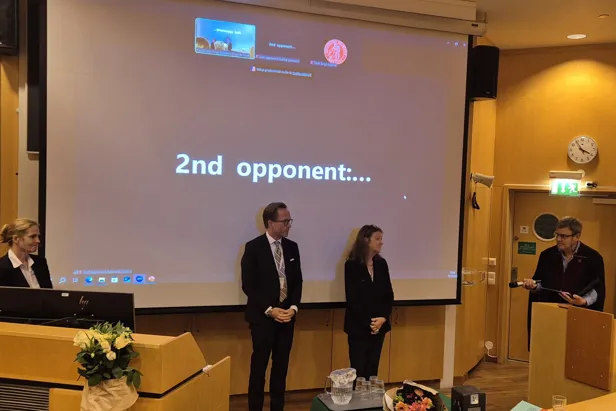
Adjudication committee
- First opponent: Professor Carina Blomström-Lundqvist, Uppsala University, Sweden
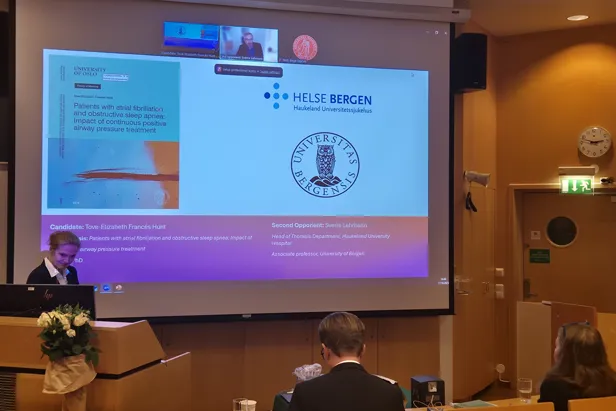
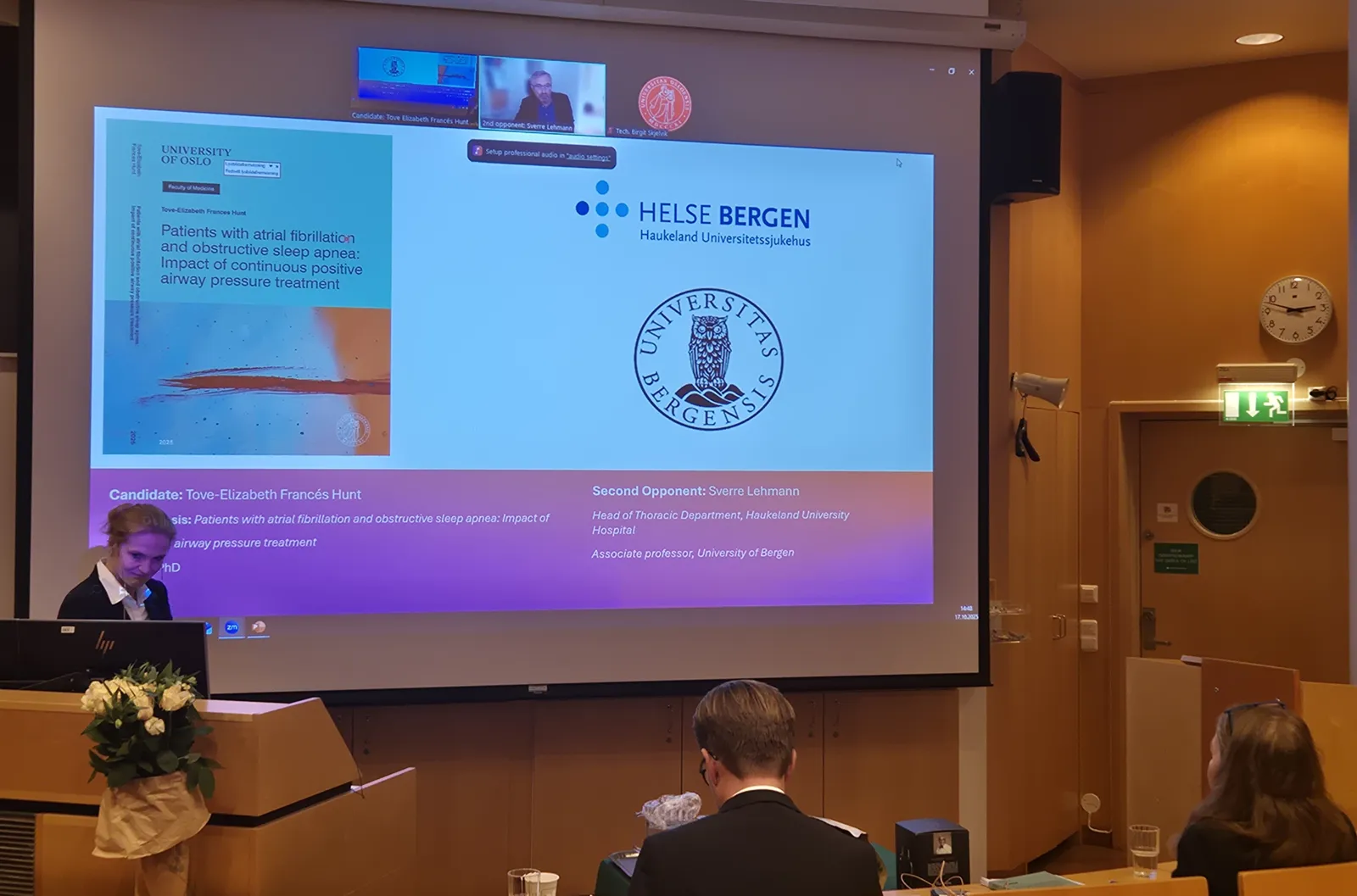
- Second opponent: Associate Professor Sverre Lehmann, University of Bergen, Norway
- Third member and chair of the evaluation committee: Professor Jørgen Gravning, University of Oslo
Chair of the Defence
- Associate Professor Lars Fjellbirkeland, University of Oslo
Supervisors
- Main supervisor: Senior Consultant Ole-Gunnar Anfinsen, Oslo University Hospital
- Co-supervisor: Professor Kristina Haugaa, University of Oslo
- Co-supervisor: Professor Lars Gullestad, University of Oslo
Summary
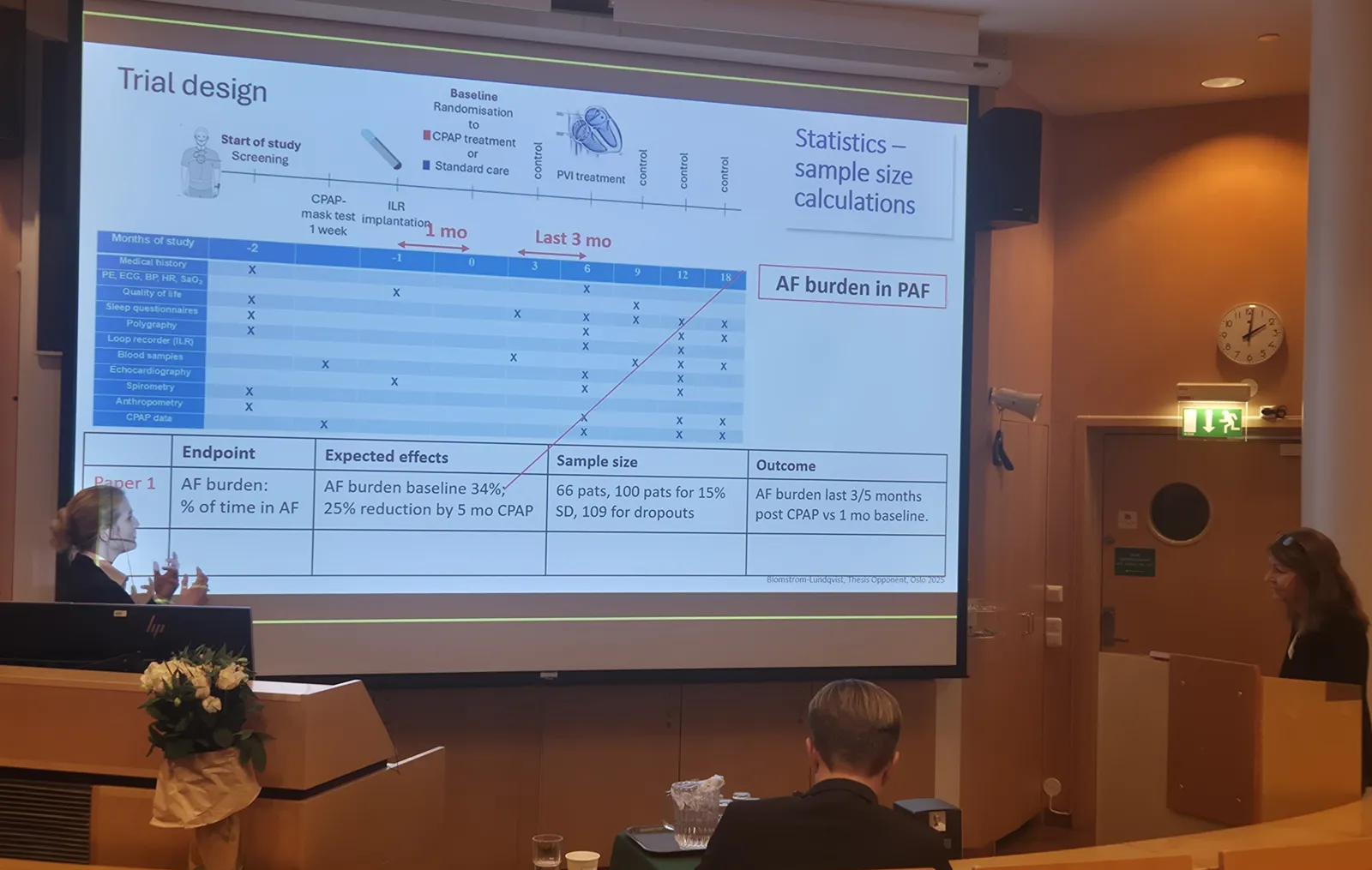
Atrial fibrillation (AF) is the most common sustained arrhythmia, while obstructive sleep apnea (OSA) is a frequent and often underdiagnosed comorbidity. Both conditions are associated with increased risk of stroke, heart failure, and death, yet their interplay remains insufficiently understood. Continuous positive airway pressure (CPAP) is the established treatment for OSA, but its role in AF has been unclear. This doctoral thesis presents the first randomised controlled trial to systematically investigate CPAP therapy in patients with AF and OSA, both before and after catheter ablation with pulmonary vein isolation (PVI) for AF. Continuous rhythm monitoring with implantable loop recorders and carefully measured CPAP adherence enabled detailed assessment of AF burden, recurrence after ablation, cardiac remodelling, and inflammatory mechanisms. The work provides novel insights into the relationship between OSA and AF and represents a significant scientific advance in the field.
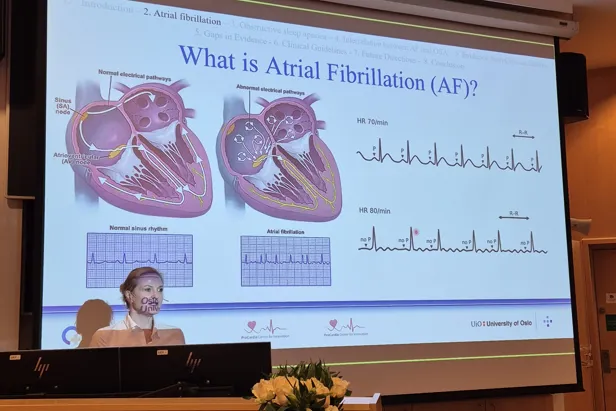
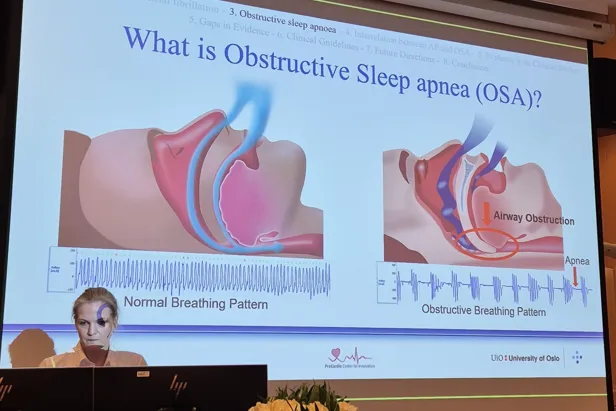
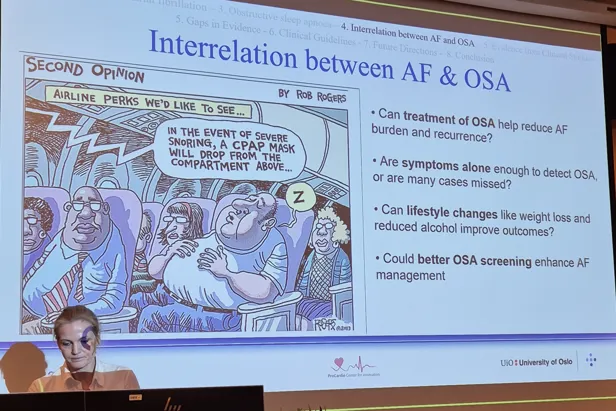
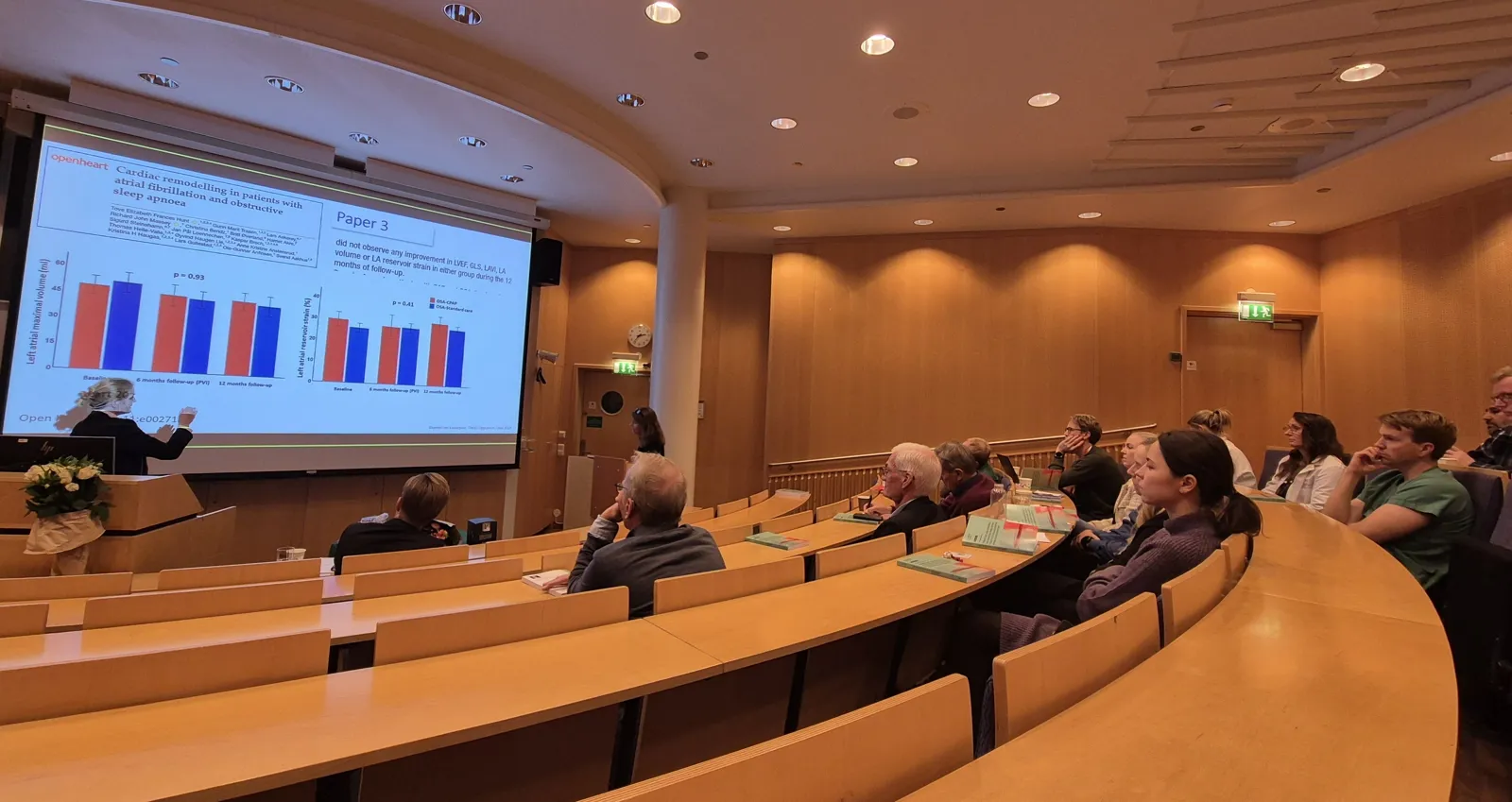
Tove Elizabeth Hunt during her trial lecture and defence